Septic Installation Idaho Falls ID
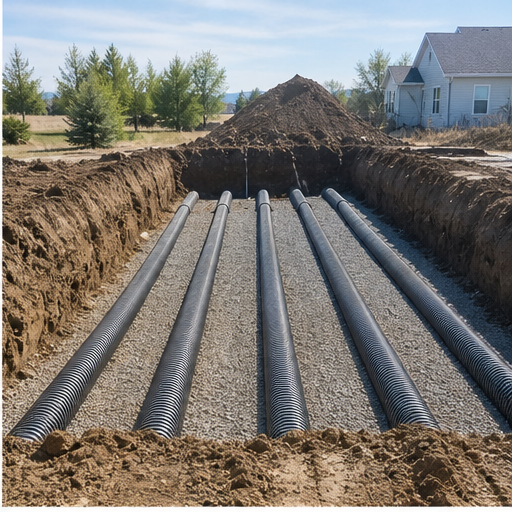
Idaho Falls Septic Service provides septic installation help in Idaho Falls, ID and surrounding areas.
New septic installation depends on the property layout, soil conditions, expected use, local rules, and the type of structure being served. We help gather the project details that matter for new homes, rural parcels, cabins, shops, and replacement systems around Idaho Falls and Bonneville County.
About This Service
Good quote requests usually include a clear service need, a reachable phone number, the property city, and enough detail to understand timing, access, symptoms, site conditions, and the current septic setup.
What Affects The Quote
- Location and travel distance within the service area.
- Access, job size, timing, and site conditions.
- Whether the job is repair, pumping, replacement, inspection-related, urgent, or new installation.
- Photos, inspection notes, tank details, symptoms, and service history that reduce back-and-forth.
Installation Planning Around Idaho Falls
New septic installation is usually a permit-and-design conversation, not a quick service call. Idaho DEQ notes that individual septic systems generally involve a tank and drain field, and installation is handled through the public health district process. For Idaho Falls and Bonneville County properties, the useful first step is gathering the property use, bedroom count or expected flow, water source, parcel constraints, soil or slope concerns, proposed building location, and whether the project is a new home, replacement system, shop, accessory dwelling, or rural property improvement.
Do not wait until excavation week to ask about permits, plot plans, installer requirements, final inspection, or changes to an approved plan. If the project is connected to a property purchase or build schedule, include that timeline in the quote request so a provider can flag whether the sequence is realistic.
Documents And Site Notes To Gather
- Parcel address, legal description if available, and nearest community.
- Existing septic records, well location, drain field location, and prior permits if known.
- Proposed bedrooms, occupants, fixtures, shop use, or commercial/non-residential flows.
- Access for excavation equipment, slope, irrigation, livestock, snow, and driveway constraints.
- Any health district, builder, lender, or real estate deadline.